
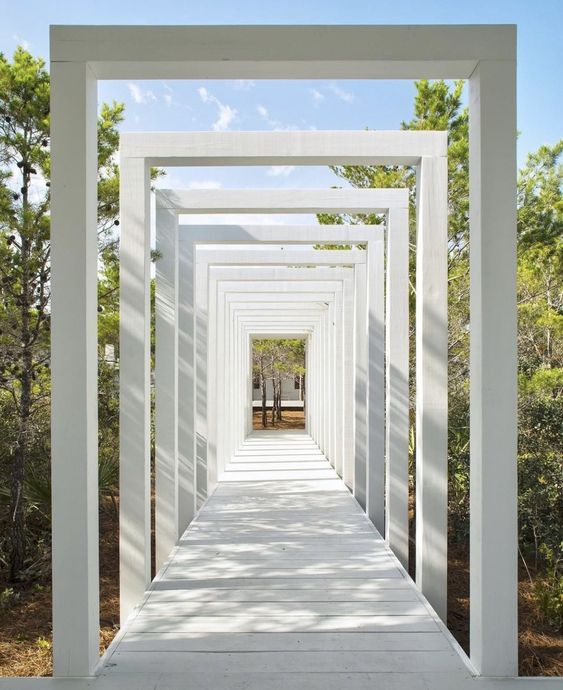
Landscape is a phenomenon that has recently gained significant traction in the scientific and practical fields within our country. Some scholars regard it as a new concept, while others believe it has deep roots in Iran’s history, having experienced phases of obscurity and re-emergence with an elevated structure and a transformative essence originating from Western countries. Landscape architecture is a profession that many are unfamiliar with or often equate with gardening and similar fields. However, its value to society is far greater than most might assume.
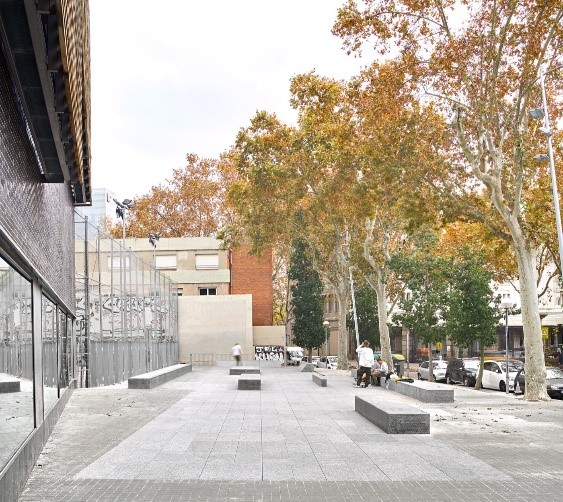
The question “What is landscape architecture?” often elicits various perspectives on what it “is” and what it “is not.” Interestingly, answering “what landscape architecture is not” can be more challenging. This profession encompasses a wide array of sciences, arts, specializations, skills, and talents. Practically, landscape architecture involves the study, planning, and design of environments (both outdoors and indoors) at multiple scales, integrating elements of art, environment, architecture, engineering, and sociology. It includes the planning, design, management, and nurturing of both built and natural environments. Landscape architects, with their unique skill sets, strive to enhance human and environmental health in communities, with one of their primary missions being to improve the functionality of societies.
While the design of gardens, parks, and green spaces falls within this discipline, landscape architecture is not limited to these areas alone. Landscape architects play a role in planning, strategizing, and designing spaces that shape life between urban buildings, rural areas, and natural landscapes, or they work to preserve existing landscape spaces. “Landscape” emerged from horticultural settings and decorative approaches, yet, over time, it has developed into a concept theorizing human perception of place. Landscape considers place as a unified entity in which its external (material) and internal (mental) aspects are inseparable.
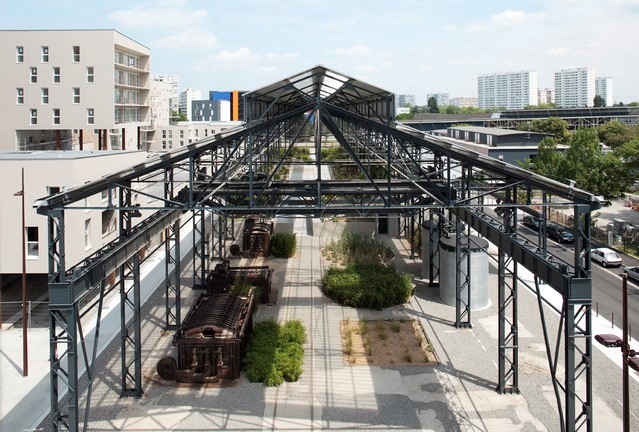
Landscape architects contribute to streets, roads, mixed-use pathways, residential and industrial areas, apartment complexes, rooftops, shopping centers, squares, gardens, parks, pocket parks, national parks, forests, playgrounds, cemeteries, memorials, historic sites, museums, schools, universities, regional transportation networks, waterways, villages, cities, and even countries. Often, landscape architects go beyond design, creating frameworks and policies that shape spaces and cities, enabling citizens and governments to create better environments for all.
Historically, landscape architects have played an essential role in creating urban open spaces and regional park systems. Frederick Law Olmsted, a social visionary and a pioneer in the field in its modern sense, viewed landscape as not only a source of recreation and enjoyment but also a tool for social reform. His social and democratic perspective on landscape design set his work apart from others in the field.
